Claim Your Veterans or Senior Discount
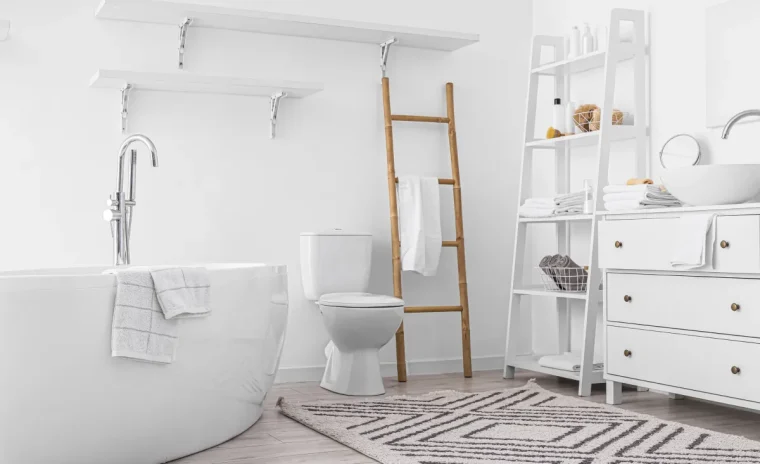
Updating an outdated space into a clean, functional area is one of the most rewarding home improvements you can undertake. Whether you are dealing with cramped layouts, aging plumbing fixtures, or simply want a fresh look, knowing how to plan a bathroom remodel properly ensures the project stays on track from start to finish.
A successful renovation takes more than picking out new tile or a pretty vanity. It requires careful preparation, setting a clear budget, and assembling the right team to handle the heavy lifting. In this guide, we walk you through every step of the planning process so you can approach your project with confidence.
Step 1: Define Your Goals and Must-Have Features
Before tearing out old drywall or shopping for fixtures, take time to evaluate your current space. Ask yourself what is working, what isn’t, and what you hope to achieve once the project is finished.
- Functionality: Do you need more storage? Is the layout too tight? Are you looking for a bathroom shower remodel or converting a standard tub into a walk-in shower?
- Style and Aesthetics: Are you aiming for a clean modern look, a classic traditional style, or something custom?
- Future Needs: Are you planning to stay in your home long-term? Features like step-in showers, wider doorways, and slip-resistant tile flooring can make the space safer and more comfortable for years to come.
Writing down your priorities helps keep your focus sharp when making design decisions down the line.
Step 2: Establish a Realistic Budget
One of the most critical steps in learning how to plan a bathroom remodel is creating an accurate budget. Costs can vary widely depending on the size of the room, the quality of materials, and whether you plan to change the structural layout.
When building your budget, account for:
- Materials: Tile, vanities, countertops, toilets, faucets, lighting, and shower enclosures.
- Labor and Trade Work: Plumbing, electrical work, drywall, framing, and installation.
- Permits and Inspections: Local building permits required for structural, plumbing, or electrical modifications.
- Contingency Fund: Set aside 10% to 20% of your total budget for unexpected issues, such as hidden water damage or outdated wiring behind existing walls.
Does a Bathroom Remodel Increase Home Value?
A common question property owners ask is: does bathroom remodel increase home value? The short answer is yes. Updating an old or worn-out bathroom consistently yields a strong return on investment. Buyers pay close attention to kitchens and bathrooms. Quality upgrades, such as modern plumbing, durable surfaces, and updated painting, boost marketability and overall property appraisal values.
Step 3: Choose the Right Layout and Select Materials
Once your budget is established, you can begin choosing the structural details and surface materials.
Keeping vs. Changing the Layout
If your current layout works well, keeping plumbing fixtures (sink, toilet, shower) in their original spots saves a substantial amount of money. Moving plumbing lines or load-bearing walls requires extra framing, underground pipe work, and extended project timelines. However, if your current space feels cramped or poorly configured, a full service bathroom remodel with layout adjustments may be worth the investment.
Selecting Long-Lasting Materials
Bathrooms face high humidity and daily wear, so selecting durable, moisture-resistant materials is essential:
- Flooring: Porcelain or ceramic tile, as well as waterproof LVP flooring installation, offer great moisture resistance and durability.
- Vanities and Countertops: Quartz and natural stone handle daily water exposure well and are simple to maintain.
- Showers and Tubs: Look for high-quality bathroom tiling or solid-surface shower walls that resist mold and mildew growth.
Step 4: Establish a Clear Timeline
Understanding the sequence of construction helps set realistic expectations for daily routine interruptions. A standard project moves through several clear stages:
- Planning and Design: Finalizing layouts, pulling permits, and ordering materials (2 to 4 weeks).
- Demolition: Removing old fixtures, flooring, and wall coverings (1 to 3 days).
- Rough-In Work: Updating underlying plumbing, wiring, and structural framing (3 to 7 days).
- Inspections: City inspections for underlying electrical and plumbing trades.
- Installation: Hanging drywall, laying floor tile, setting vanities, and completing custom shower enclosures (1 to 2 weeks).
- Finish Work: Final plumbing connections, trim, light fixtures, and touch-up work (2 to 4 days).
Working with an organized team that handles permit coordination and subcontractor schedules prevents unnecessary delays during these steps.
Step 5: Know Who to Hire for a Bathroom Remodel
When taking on a major property update, deciding who to hire for bathroom remodel work is critical. While small cosmetic changes like changing a towel bar can be DIY tasks, complete renovations involve complex plumbing, electrical, framing, and waterproofing systems.
Improperly installed shower pans or unvented plumbing can cause hidden leaks, mold growth, and costly structural issues over time. Hiring a licensed remodeling contractor guarantees that the project meets local building codes and industry standards.
Step 6: How to Choose a Bathroom Remodeling Contractor
Finding the right team makes the difference between an organized project and a stressful experience. If you are wondering how to choose a bathroom remodeling contractor, look for these qualifications:
- Licensing and Insurance: Always verify that the contractor holds active licenses and liability insurance to protect your property.
- Local Experience: A team with extensive regional experience understands local building codes, soil conditions, permit requirements, and regional styles.
- Project Management: Ask if they handle everything, from trade coordination to permits and inspections, or if you will be expected to manage trade workers yourself.
- Clear Communication: Work with a team that provides clear written quotes, updates you regularly, and answers questions honestly.
Learning how to hire a contractor for bathroom remodel projects comes down to checking references, verifying past work, and choosing a company that values craftsmanship and customer care.
Frequently Asked Questions
What payment options are acceptable for a remodeling project?
We accept multiple convenient payment methods to make your project smooth from start to finish. Options include major credit cards, cash, checks, and financing solutions to fit your budget requirements.
How long does a typical bathroom renovation take?
An average project takes anywhere from two to four weeks once active construction begins, depending on the scope of work, material availability, and whether structural or plumbing changes are involved.
Do I need permits for my project?
Yes, most structural modifications, plumbing changes, and electrical updates require city permits. Working with a general remodeler ensures all necessary permits are pulled and official inspections are passed.
At Herbert H. Construction, we bring over 45 years of construction experience to every project, offering dependable craftsmanship, clear communication, and complete project management from start to finish. As a locally owned, family-operated, and veteran-led business serving the San Antonio area since 1999, we care deeply about our clients and manage every detail, including permits, trade scheduling, and material coordination, to make your project as organized and stress-free as possible. Whether you are planning a complete bathroom remodeling transformation, updating your kitchen remodeling plans, or exploring options for home remodeling services, siding installation work, or roof replacement services, our licensed and insured team is ready to deliver lasting solutions backed by warranties and special discounts for seniors and fellow veterans.